
Testing programmes
Ten programmes. Every parameter named.
Food, water, microbiology, leather, footwear, textiles, furniture, polymers, automotive and electrical products. The standard, the sample size and the report are agreed before testing starts.
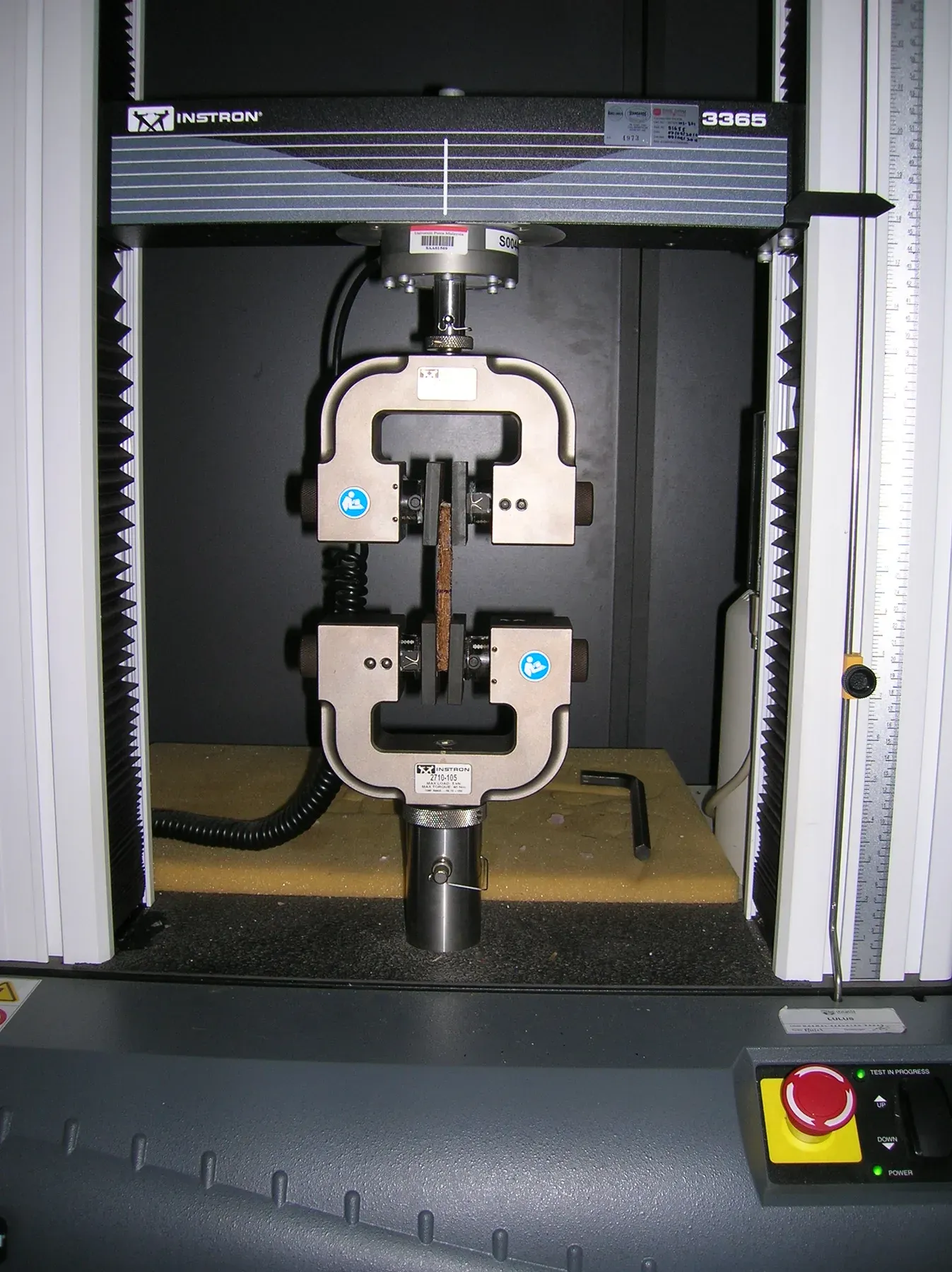
Programme 01
Food and agricultural products
Raw grain through to frozen and processed packs, measured against the nutritional, safety and quality limits an importer or a regulator asks about.
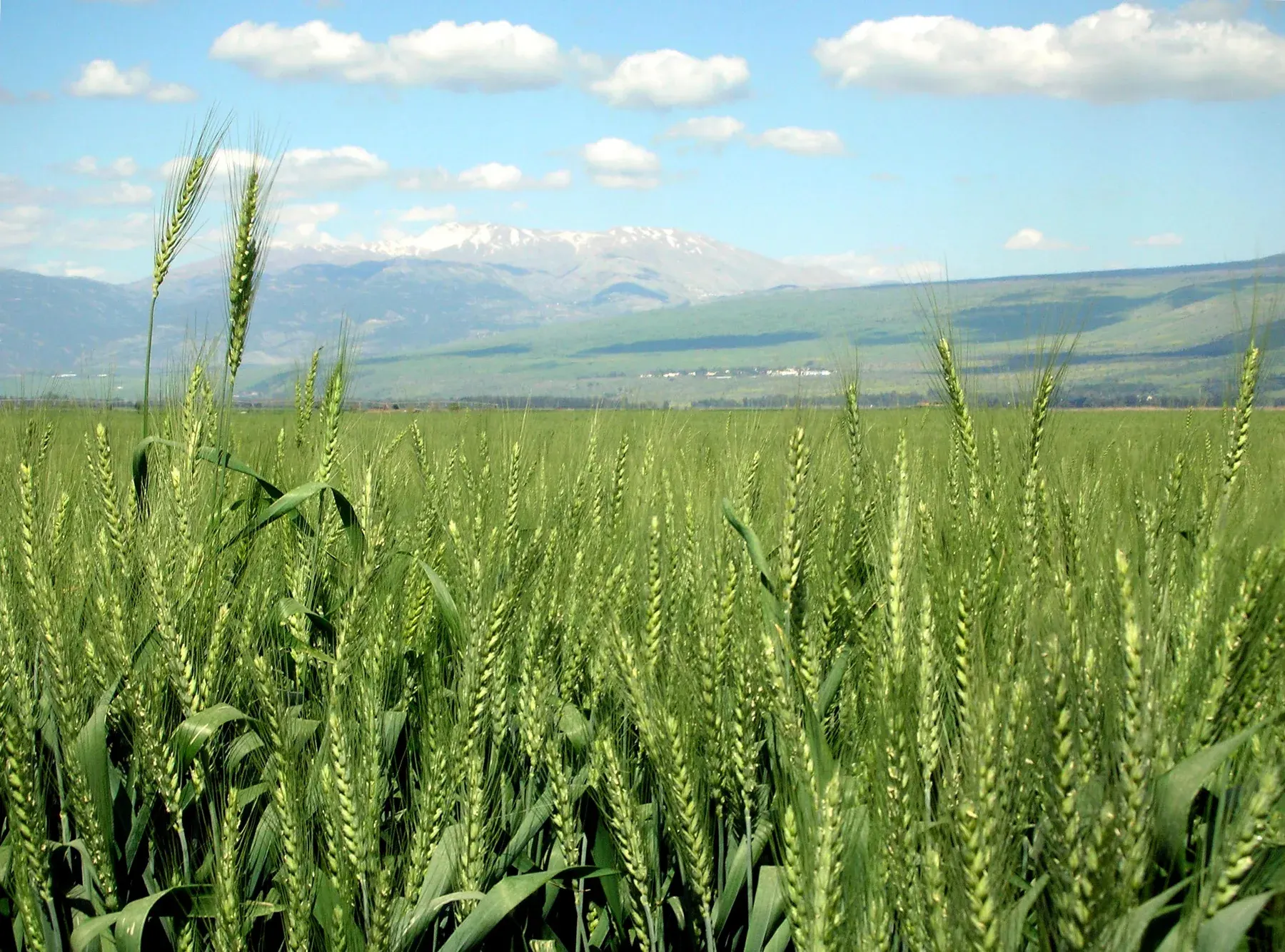
Compositional analysis
Moisture, protein, fat and oil content, total ash, sulphate ash, acid insoluble ash, starch, crude fibre, sugar, gluten, total solids, SNF and dietary fibre.
Safety and contamination
Pesticide residues, antibiotics, heavy metals (lead, cadmium, arsenic, mercury), aflatoxins B1, B2, G1, G2 and M1, mineral oil, argemone oil, preservatives and extraneous matter.
Nutritional profiling
Carbohydrates, vitamins, minerals, fatty acid profile, carotenoids, cholesterol, phosphorus and individual food additives.
Quality indicators
Reducing sugar, alcoholic acidity, titrable acidity, acidity of extracted fat, salt content, refractive index, saponification value, TSS (Brix), alcohol content, FFA value, peroxide value and specific gravity.
Specialised tests
Sedimentation value, uric acid, maltose value, phosphatase (milk pasteurisation), nicotine in tobacco products, total tannins, RM value, Polenske value, iodine value, water absorption, MB value, sucrose content, MBRT, granularity and fructose to glucose ratio.
Product-specific parameters
Fruit content percentage, BR reading, trans fat analysis, HMF content, falling number, urea and water insoluble solids.
The method and the limit are named on the report. Where a standard method does not fit the product, the alternative is agreed in writing before the sample is run.
Programme 02
Water
Municipal supply, groundwater, surface water, industrial effluent and treated wastewater, with the exceedances named rather than buried in a table.
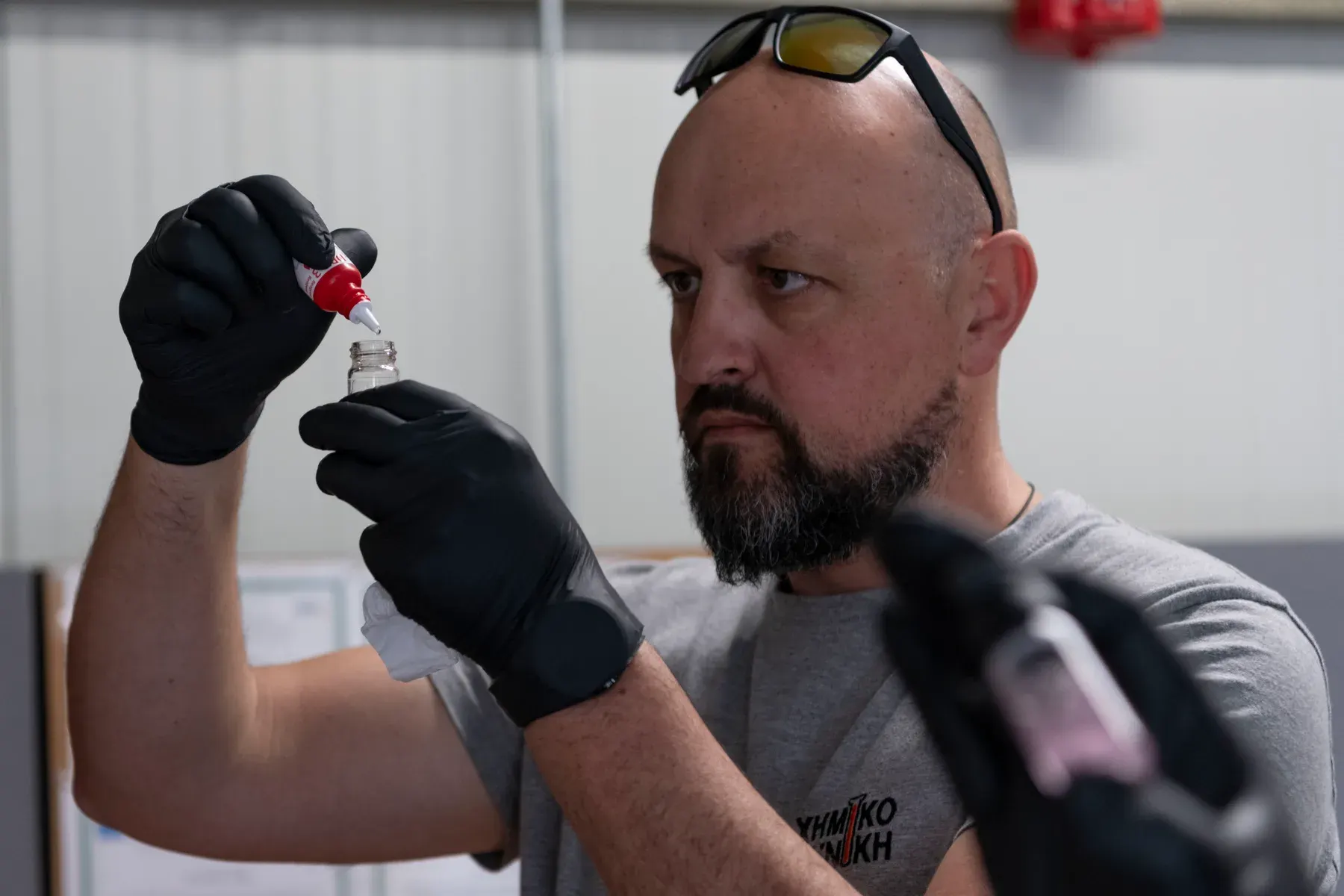
Basic properties
Colour, odour, taste, turbidity, TDS and pH.
Chemical indicators
Alkalinity as HCO₃, residual chlorine, chloride, sulphide, nitrite, nitrate and sulphate.
Ionic content
Iron, calcium, magnesium, aluminium, zinc, manganese, copper and antimony.
Hardness
Total, temporary, permanent, calcium hardness and magnesium hardness.
Toxic compounds
Cyanide, fluoride, lead, mercury, cadmium, arsenic, chromium and selenium.
Organic contaminants
PAH, PCB, mineral oils and pesticide residues.
Reporting
Comparison against permissible limits, exceedances identified, trend analysis for monitoring programmes, remediation notes and a certificate of analysis with chain of custody.
Methods and instruments
Spectrophotometry, chromatography and atomic absorption, run to WHO, EPA and national limits.
The method and the limit are named on the report. Where a standard method does not fit the product, the alternative is agreed in writing before the sample is run.
Programme 03
Microbiological examination
Food, water, pharmaceutical and environmental samples, run to ISO, FDA BAM, AOAC and USP methods in a biosafety cabinet.
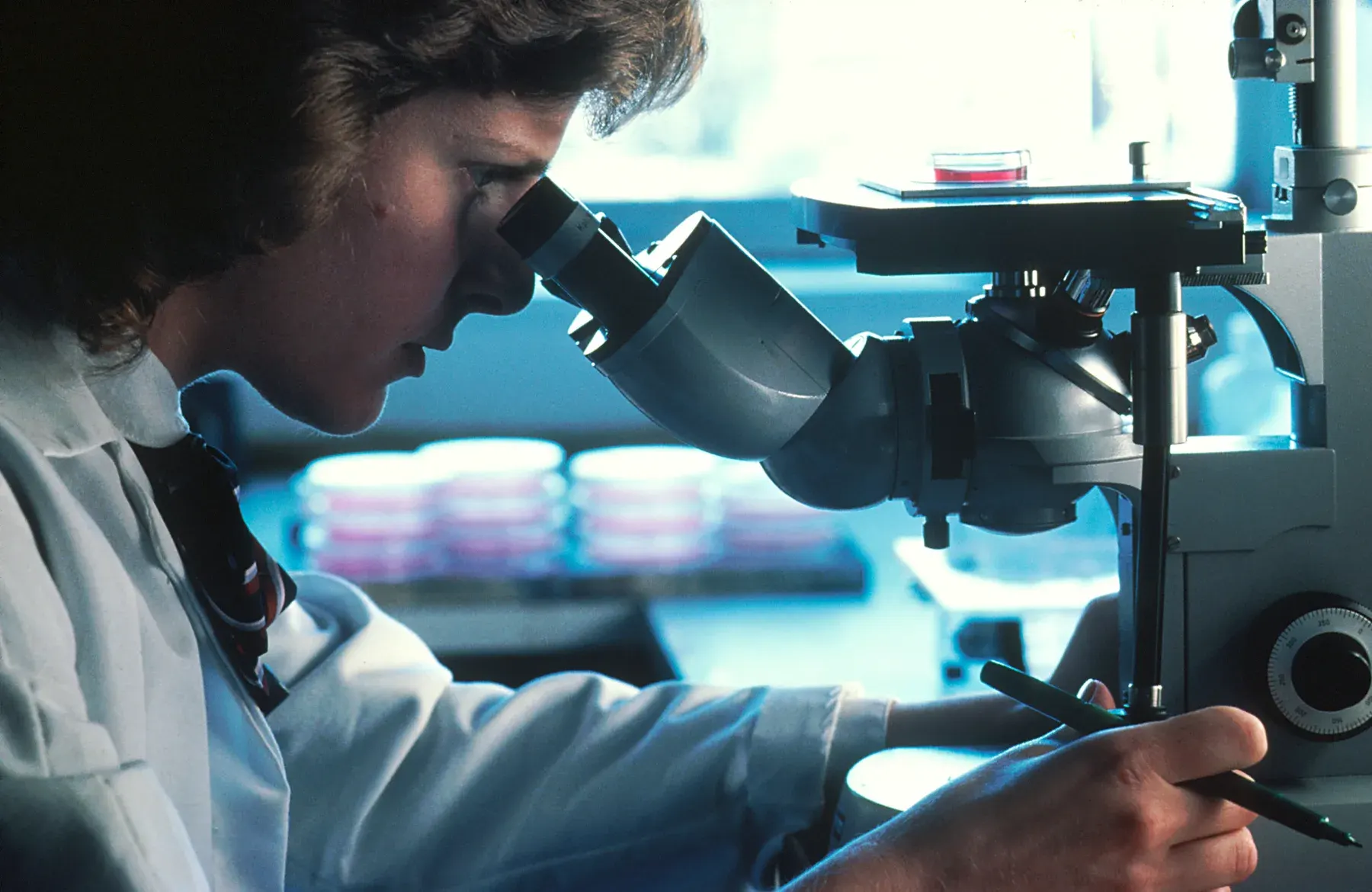
General indicators
Total plate count, yeast and mould count, coliform bacteria, E. coli enumeration, total viable count, aerobic count, anaerobic count and thermophilic bacteria.
Pathogen detection
Salmonella spp., Shigella spp., Staphylococcus aureus, Listeria monocytogenes, Vibrio cholerae, V. parahaemolyticus, C. perfringens and Legionella.
Specialised organisms
Bacillus cereus, Group D streptococcus, faecal streptococci, Aspergillus flavus, Aspergillus niger, Pseudomonas aeruginosa, proteolytic and lipolytic bacteria.
Functional testing
MPN, lipase activity, antimicrobial activity, proteolytic count and lipolytic count.
Food safety applications
Raw material screening, in-process monitoring, finished product release, shelf-life validation, environmental monitoring and HACCP verification.
Water and pharmaceutical
Coliform and E. coli, faecal indicators, biofilm assessment, disinfection efficacy, sterility testing, bioburden, preservative efficacy, clean room qualification and water system validation.
The method and the limit are named on the report. Where a standard method does not fit the product, the alternative is agreed in writing before the sample is run.
Programme 04
Leather and leather products
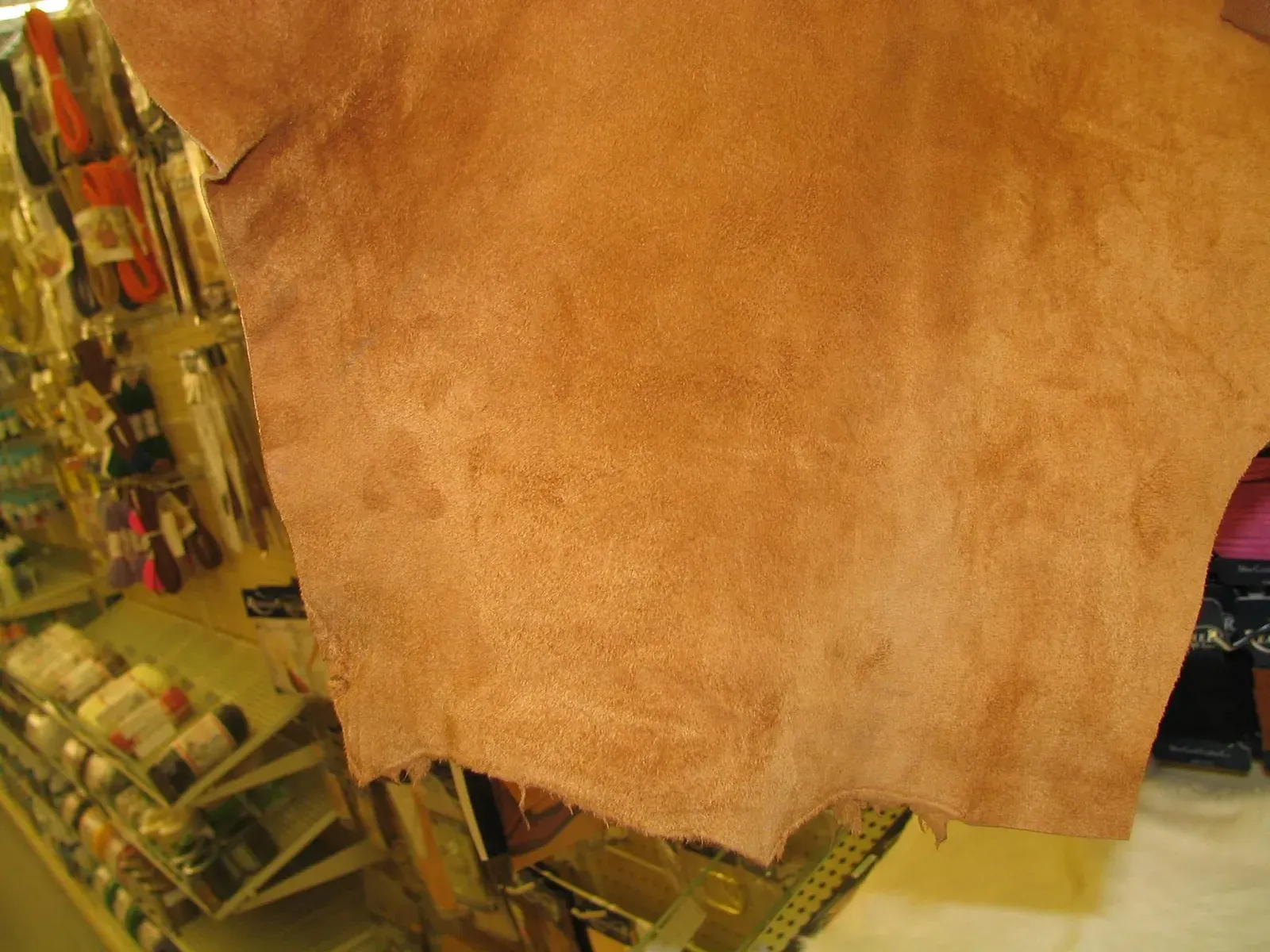
Finished leather, semi-processed hides and leather goods for footwear, upholstery, automotive interiors and garments, across tanning methods and species.
Strength properties
Tensile strength and elongation at break, double hole stitch tear strength, dimensional elongation and flexural endurance.
Durability
Abrasion resistance, flexing endurance, crackness evaluation and shrinkage assessment.
Water resistance
Dynamic waterproofing, water absorption rate, water desorption and moisture permeability.
Surface properties
Adhesion of finish, rub fastness dry and wet, adhesion strength and surface coating integrity.
Colourfastness
Dry rubbing, wet rubbing, light fastness, perspiration fastness and water fastness.
Chemical and safety
pH, azo dyes, hexavalent chromium, formaldehyde, heavy metals, pentachlorophenol and organotin compounds, checked against REACH, CPSIA and Proposition 65.
The method and the limit are named on the report. Where a standard method does not fit the product, the alternative is agreed in writing before the sample is run.
Programme 05
Footwear
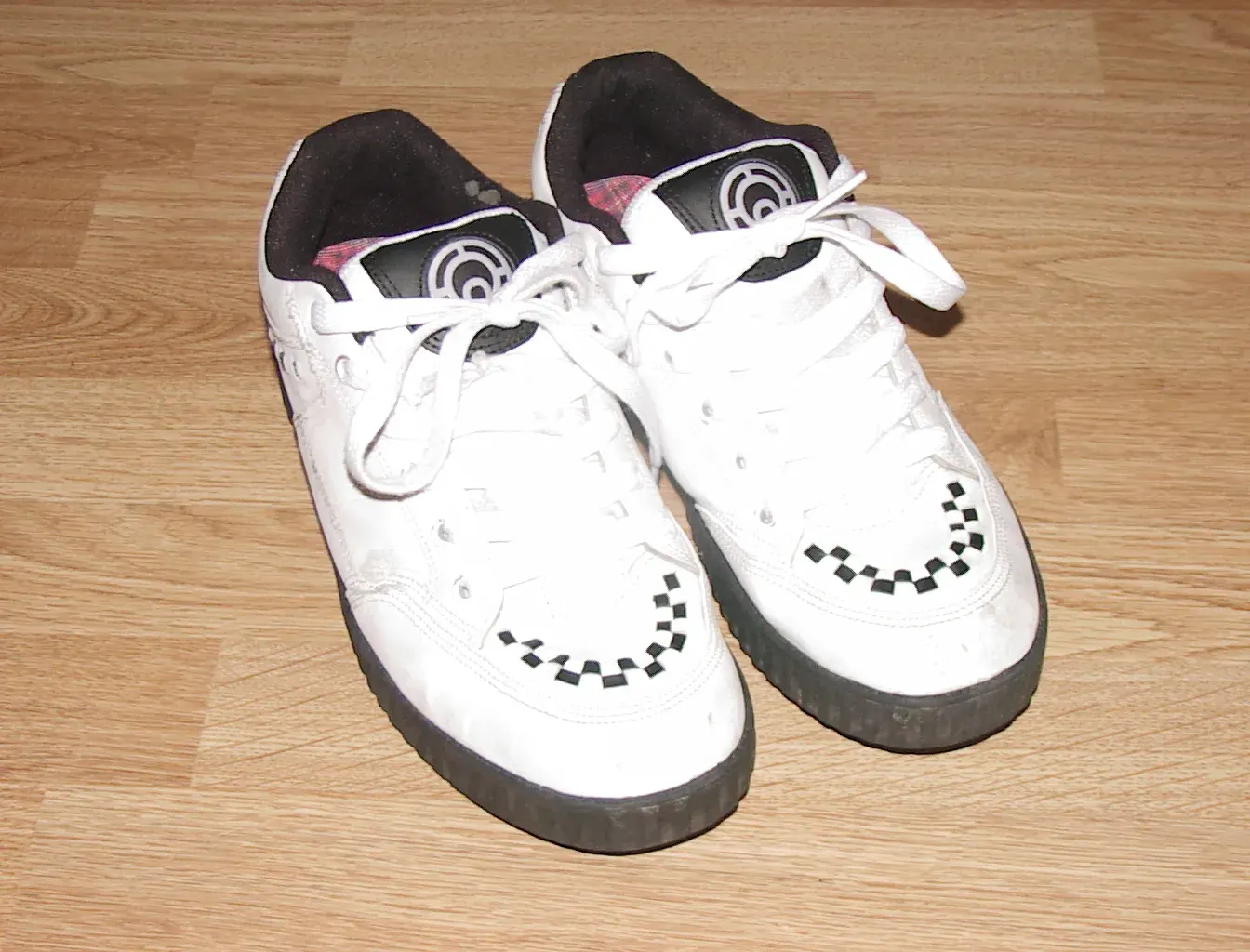
Components and complete shoes, from athletic and casual to industrial safety footwear, against ISO, ASTM, EN and SATRA methods.
Whole shoe
Flexing endurance, waterproofness, low-temperature resistance, heat resistance and water vapour permeability.
Upper material
Upper flexing, vamp flexing, tensile strength and elongation, stitch tear strength, colourfastness and Martindale abrasion.
Sole testing
Sole flexing at room temperature and sub-zero, sole abrasion, Ross flexing, Bata belt, DeMattia flexing and Bennewart test.
Safety footwear
Toe cap impact resistance, nail penetration resistance, compression resistance, slip resistance and chemical resistance.
Attachment strength
Heel attachment, strap attachment, trim attachment, bondability and adhesion evaluation.
Environmental and chemical
Low-temperature flexibility, thermal aging, moisture management, weather resistance, pH, formaldehyde, heavy metals, azo dyes, hexavalent chromium, phthalates and VOC.
The method and the limit are named on the report. Where a standard method does not fit the product, the alternative is agreed in writing before the sample is run.
Programme 06
Textiles and geo-textiles
Natural and synthetic fibre, blends, knits, wovens, nonwovens and technical textiles, against ASTM, ISO, AATCC and BS methods.

Strength testing
Breaking strength, tensile strength and elongation, tear strength, bursting strength, seam strength, loop strength, knot strength and yarn breaking strength.
Structural properties
Thread density (EPI and PPI), yarn count, GSM, thickness, course and wales count, wool fineness and drape coefficient.
Durability
Pilling resistance, Martindale abrasion, snagging resistance, seam slippage, dimensional stability and shrinkage.
Functional properties
Water repellency, water absorption, moisture content, air permeability, thermal insulation, crease recovery and stiffness.
Colourfastness
Light, washing, perspiration (acidic and alkaline), crocking dry and wet, water, hot pressing and bleaching.
Chemical and safety
pH, formaldehyde, heavy metals, azo dyes, fibre identification, scouring loss, ash content, water solubility, antimicrobial activity and flammability.
Geo-textiles
Strength properties, puncture resistance, filtration characteristics, UV degradation, soil retention and blocking resistance.
Specialised
Print fastness, rubbing tests across methods and dimensional stability under multiple conditions.
The method and the limit are named on the report. Where a standard method does not fit the product, the alternative is agreed in writing before the sample is run.
Programme 07
Furniture and wood panels
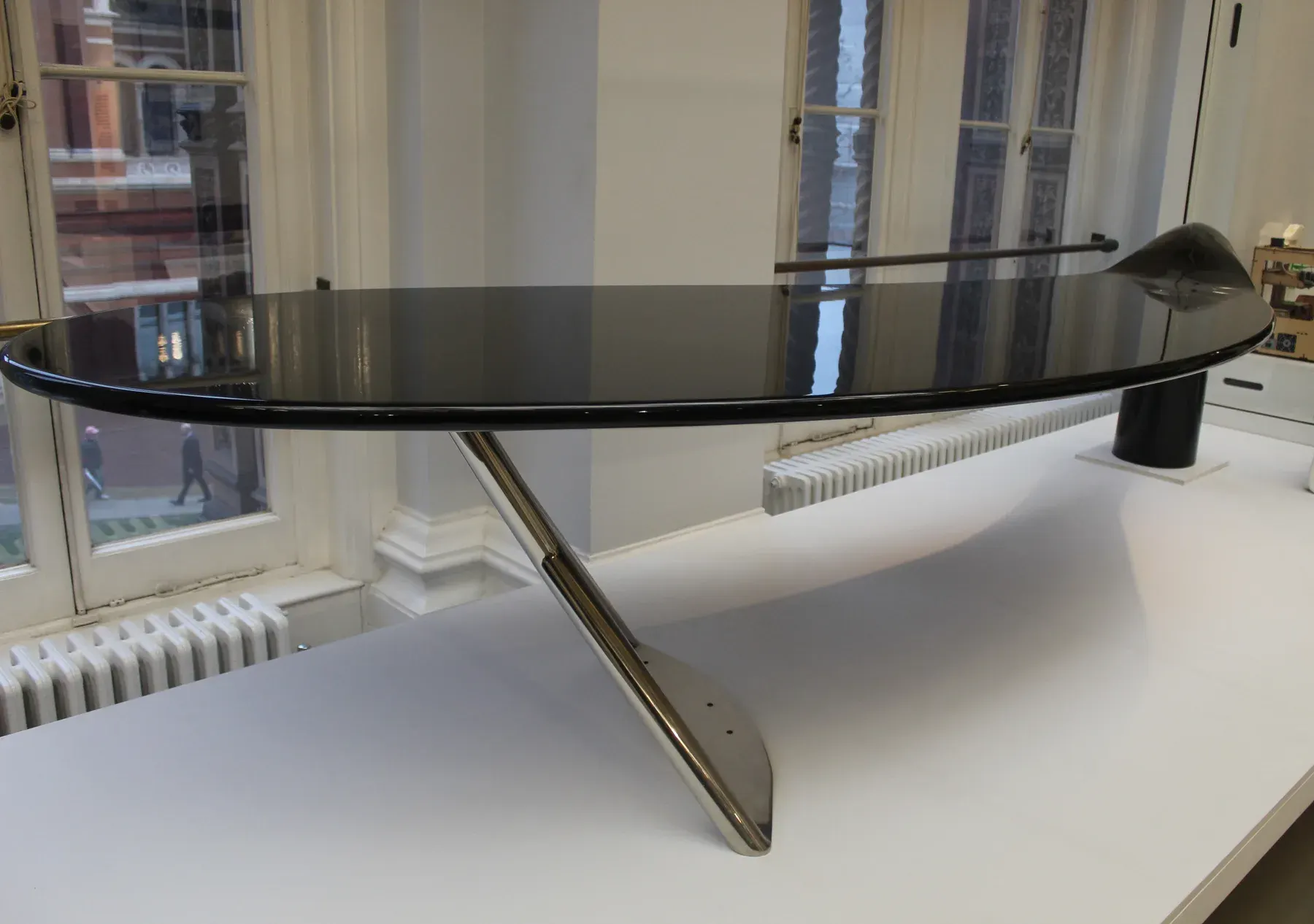
Office, school, steel and panel furniture, tested against the Indian Standard family a tender will name.
Office tables, IS 17631
Uniform distributed load, drawer endurance and structural rigidity assessment.
Office storage, IS 17632 and IS 17634
Shelf load, anti-toppling stability, door hinge durability, drawer cycle endurance, and the safety and stability of cabinets, lockers and shelving.
Office chairs, IS 17633
Seat durability under cyclic loading, backrest strength, and base and castor integrity.
School furniture, IS 4837 and IS 12817
Load test, impact resistance, stability and edge safety evaluation for desks and benches.
Steel furniture, IS 1367 and IS 17635
Load test, weld strength, stability, shelf deflection, locking mechanism, surface coating adhesion and corrosion resistance.
Wood and panels
IS 3087 particle board, IS 303 plywood and IS 710 marine plywood: moisture resistance, bending strength, surface bond quality, screw withdrawal and formaldehyde emission.
The method and the limit are named on the report. Where a standard method does not fit the product, the alternative is agreed in writing before the sample is run.
Programme 08
Plastics, foam, rubber and adhesives
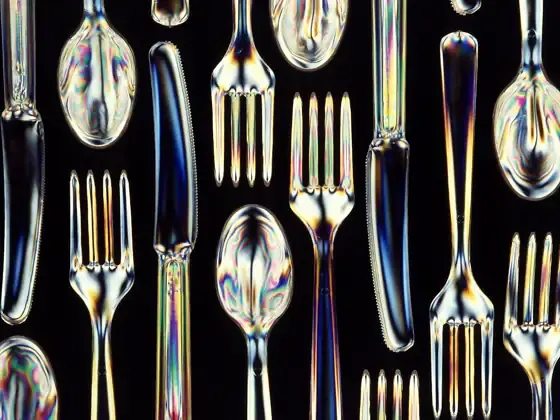
Polymer work for automotive, packaging, construction and consumer parts, from raw compound to finished component.
Plastics
Tensile and flexural strength, Izod and Charpy impact, Shore and Rockwell hardness, MFI, HDT and VSP, density, compression, tear, abrasion, thermal and environmental ageing, weathering, UV and xenon arc, ozone, flammability, LOI, smoke generation, and chemical and solvent resistance.
Plastics, electrical and coating
Volume and surface resistivity, dielectric strength, cross-cut adhesion, print fastness, colour matching, coating thickness, pencil hardness, stone chip resistance, fogging and environmental stress cracking.
Foam
Density, IFDT, sag factor, CFD, compression set, static force loss, dynamic fatigue, steam autoclave ageing, tensile strength, tear resistance, ball rebound resilience, dry and wet heat ageing, flammability, oxygen index, smoke visibility, PVC staining, odour and solvent resistance.
Rubber
Tensile strength, modulus at various elongations, hardness Shore A and D plus IRHD, compression set, tension set, tear strength, DIN and Pico abrasion, resilience, specific gravity, adhesion to metal and fabric, DeMattia flexing, ozone and xenon weathering, oil and chemical resistance, flammability, LOI, toxicity, hot contact resistance and FTIR identification.
Adhesives
90° peel, 180° peel and T-peel, lap shear at room and high temperature, heat resistance, MFI for hot melts, moisture content, solid content, viscosity, pH, tack and open time.
Geo-grids
Tensile properties, junction strength and durability under installation damage and UV exposure.
The method and the limit are named on the report. Where a standard method does not fit the product, the alternative is agreed in writing before the sample is run.
Programme 09
Automobile products and parts
Components, sub-assemblies and complete systems for OEMs and tier-one suppliers, including EV and alternative fuel parts.
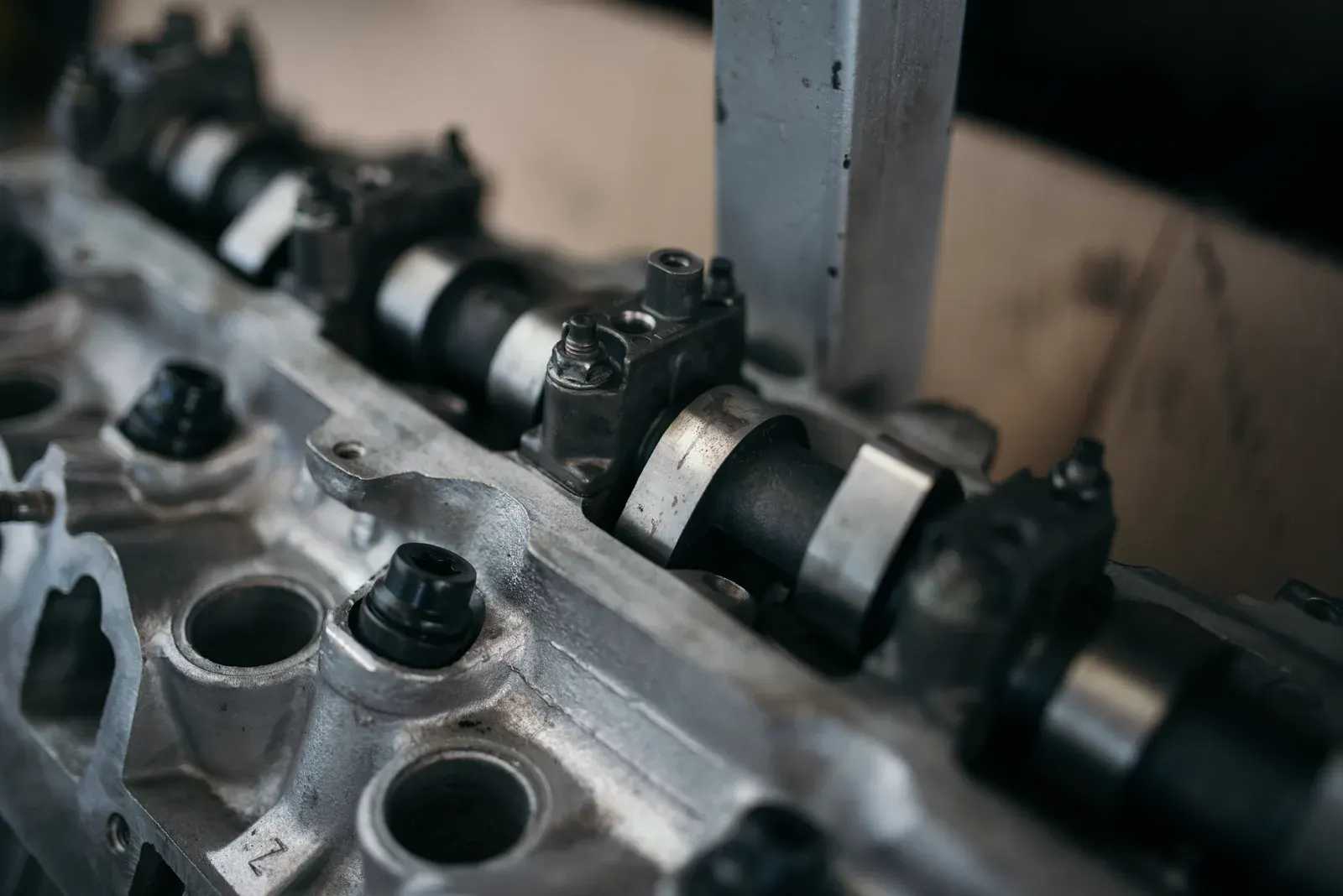
Material testing
Leather, Asker C, Shore A, C and D, Rockwell and Vickers hardness, density, tensile strength, FTIR, DSC and TGA identification, and chemical composition.
Mechanical testing
Charpy and Izod impact, bump test, Taber abrasion, crockometer, compression, flexural strength and torsional strength.
Environmental testing
Climatic testing, thermal shock, UV and weathering, ozone exposure, salt spray, humidity cycling and temperature extremes.
Electrical testing
Connector testing, wiring harness testing, insulation resistance, dielectric strength, electrical endurance and current capacity.
Functional testing
Emblem, pedal, gear shifter, switch endurance, HVAC performance, lamp testing and vibration analysis.
Electric vehicles
Battery pack, battery management system validation, high-voltage cable, charging port endurance, power electronics, motor performance, thermal management, EMC and EMI, safety interlocks and high-voltage insulation resistance.
Alternative fuel systems
Hydrogen pressure vessels, fuel lines, seals and material compatibility; bio-CNG and CNG pressure, leak and degradation; ethanol compatibility, corrosion, fuel tank and fuel line integrity, valve endurance and regulator performance.
Interior and exterior parts
Dashboard components, seat durability, door trim panels, head and tail lamp performance, mirrors, bumper impact, trim attachment, FMVSS flammability, VOC emissions and fogging.
The method and the limit are named on the report. Where a standard method does not fit the product, the alternative is agreed in writing before the sample is run.
Programme 10
Electrical and electronic products
Components, appliances, lighting, IT and medical electrical equipment, tested for the safety and interference limits a market entry needs.
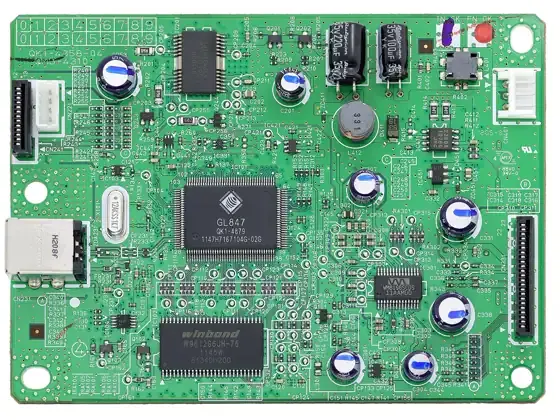
Electrical safety
Conductor resistance, insulation resistance, high voltage withstand, dielectric strength, breakdown voltage, leakage current in normal and fault conditions, earth continuity and bonding, temperature rise and thermal stability.
Fire and thermal
Glow-wire test, needle flame test, UL94 flammability, tracking index CTI and PTI, ball pressure, abnormal operation and short circuit behaviour.
Construction and materials
Volume and surface resistivity, insulation thickness, clearance and creepage distances, mechanical strength, water absorption, moisture resistance, high temperature and humidity testing, and making and breaking capacity.
Electronic testing
Marking and labelling verification, instructions review, power input measurement, stability, limited current circuit verification, SELV reliability, humidity conditioning, vibration, bump, shock, load impact and endurance.
Immunity and EMC
ESD, surge immunity, electrical fast transient, conducted and radiated emissions, harmonic current, voltage fluctuations and impulse voltage testing.
Ingress and environment
Dust ingress (IP5X and IP6X), water ingress (IPX), salt spray corrosion, fire resistance, signal strength measurement and microwave leakage.
Certification scopes
IEC 60950, 60065, 60335, 61010 and 62368; UL for North America; CE marking with LVD, EMC and RoHS; IS standards for the Indian market; Energy Star, ErP and CEC for efficiency; FCC, IC and RED for wireless.
Product categories
Consumer electronics, IT equipment, telecommunications, power supplies and adapters, LED lighting, industrial controls and instrumentation, medical electrical equipment, batteries and charging systems.
The method and the limit are named on the report. Where a standard method does not fit the product, the alternative is agreed in writing before the sample is run.
What to send with an enquiry.
Four things save a week of email and let us quote without a second round.
-
The product
What it is, what it is made of, and how it will be used.
-
The standard
The Indian Standard, buyer requirement or regulation the result has to satisfy.
-
The sample
How many units you can spare, and whether the test is destructive.
-
The date
When the report is needed, so we can say plainly whether we can meet it.